
Visiting the US capital can be exhausting if you are not aware of how big the National Mall is. So rest those feet and read the following tips below to help your trip go smoothly.
When to visit
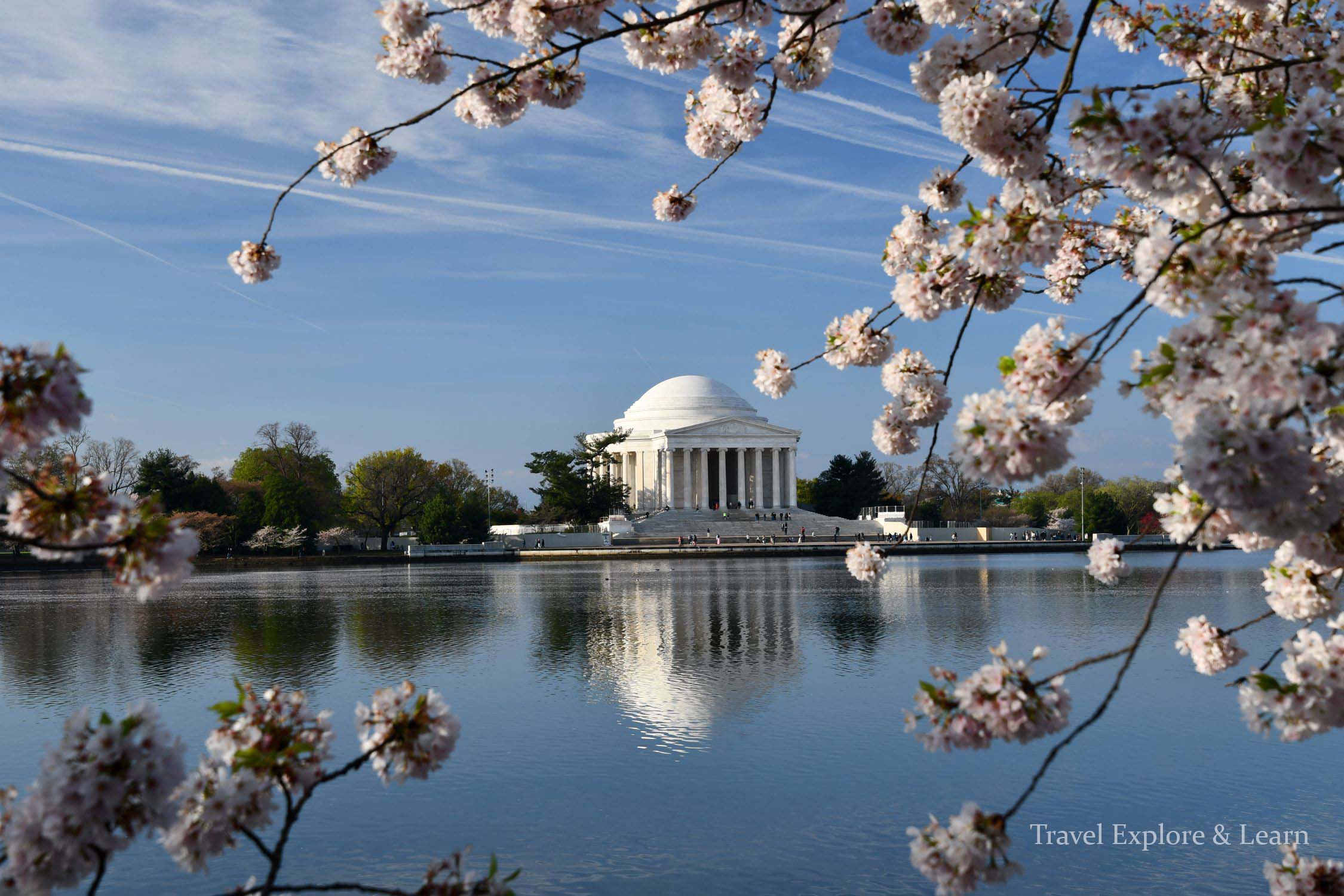
Spring break and the summer months are the busiest times times to visit the District of Columbia. While seeing the cherry blossoms in bloom is well worth the visit, expect crowds to go along with it. Spring and Fall will be the best times to go for good weather. It can get very hot in the summer months walking around the city. Winter will be less crowded but can be unpredictable with the weather, so plan on bringing a warm coat if you choose to come in the winter months. If you don’t mind walking around in the cold, winter would be the best choice for lower crowds and better hotel prices.

What to see
There is so much to see and do in the United States capital. Depending on how many days you will be there you will have to narrow down to what you and your family want to see.
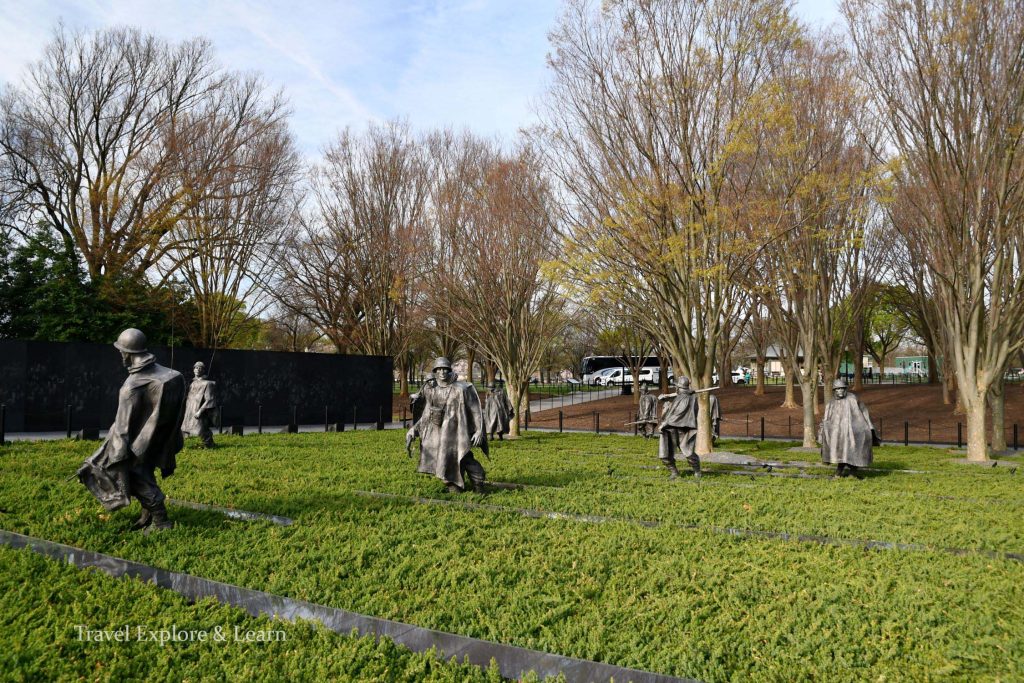
Memorials- there are many memorials spread throughout the national mall area and beyond. Choose your top 3-5 and decide how much time you want to spend at each. Some are closer together, like the Lincoln, WWII, and Korean memorials. So you can easily see all of these together. The newer Eisenhower memorial is closer to the Air & Space Museum than many of the other memorials.
Museums- Smithsonian museums are well known and free in the capital area. The Spy museum and The Bible museum cost money but are worth it if you are interested.
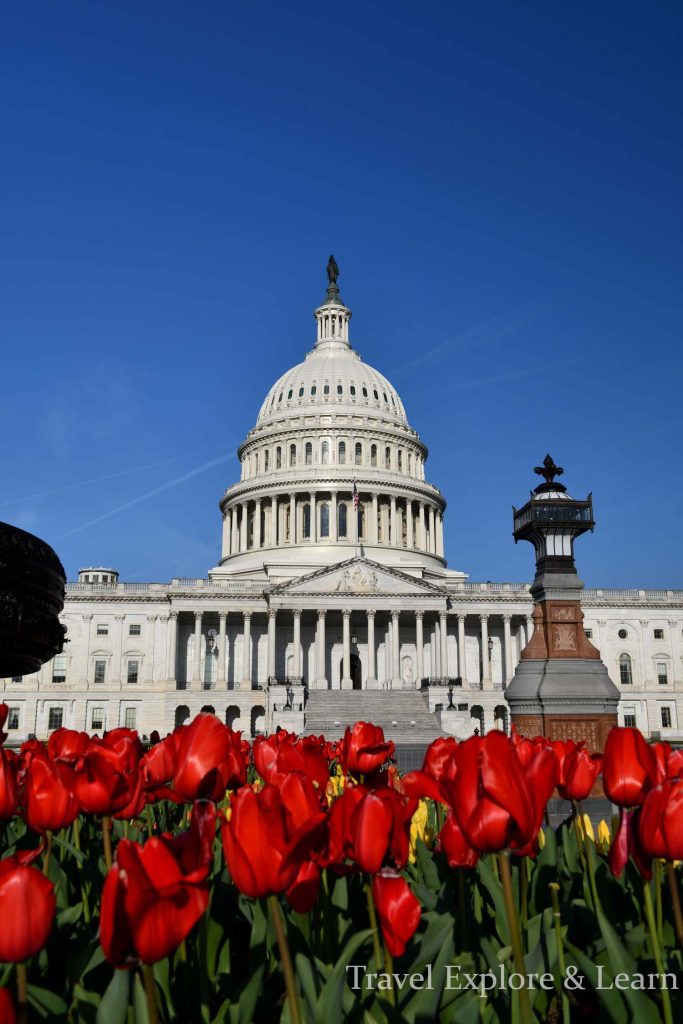
The Capitol building, the White House, Library of Congress, and Ford Theater are a few other sites worth visiting.
Once you narrow down what your family wants to see, try to plan your days according to what areas you will be in. So if you want to see the Capitol building, Air & Space Museum and Eisenhower museum. Plan to group these together and visit them all in one day since they are close to each other. This planning will save your feet and keep the little ones in better shape.
What to bring
Comfortable walking shoes! Probably bring an extra pair just in case the first pair start bothering you. A small backpack will be handy to transport water, snacks, umbrella and other necessities. Keep in mind, some museums do not allow open food. Most are fine with water bottles. If interested in renting scooters or bikes, bring your helmets along with you too.
How to get around
When you can, take the metro train. It is convenient, fast and safe. Our family was able to navigate and jump on near our hotel. There are metro stations near the Capitol Building, White House, the Spy museum, middle of the mall area, the Pentagon, and Arlington Cemetery. While the metro can get you to the national mall, you will have to most likely walk once you are there. There are rentable scooters and bikes around, I would recommend this if you are going from one to end to the other to save your feet some. There is also a Circulator red bus that does a circle around the national mall area. It only goes one way and cost $1 per person. You can check out the route it takes here.
Where to stay
There are not a lot of hotels near the National Mall area. There is very limited parking near the national mall, so keep this in mind when planning where you stay. Booking a hotel or rental house near a metro station is your best bet. This will allow you to access most sites and save on walking as much. Finding one near restaurants that your family would eat at is another thing to look for.
Where to eat
Keep in mind there are not many options around the National Mall area. There will be lots of food trucks on a few of the roads near the mall area. Our family brought snacks or sandwiches in our backpacks for the day and had a good dinner closer to our hotel. There are lots of good restaurants to try in the D.C. area. I would defiantly recommend trying a few new ones. Some of the museums do have cafeteria food available. Be prepared to spend more for lower quality food.
Do you want more ideas for your Washington D.C. trip? Check out this post.